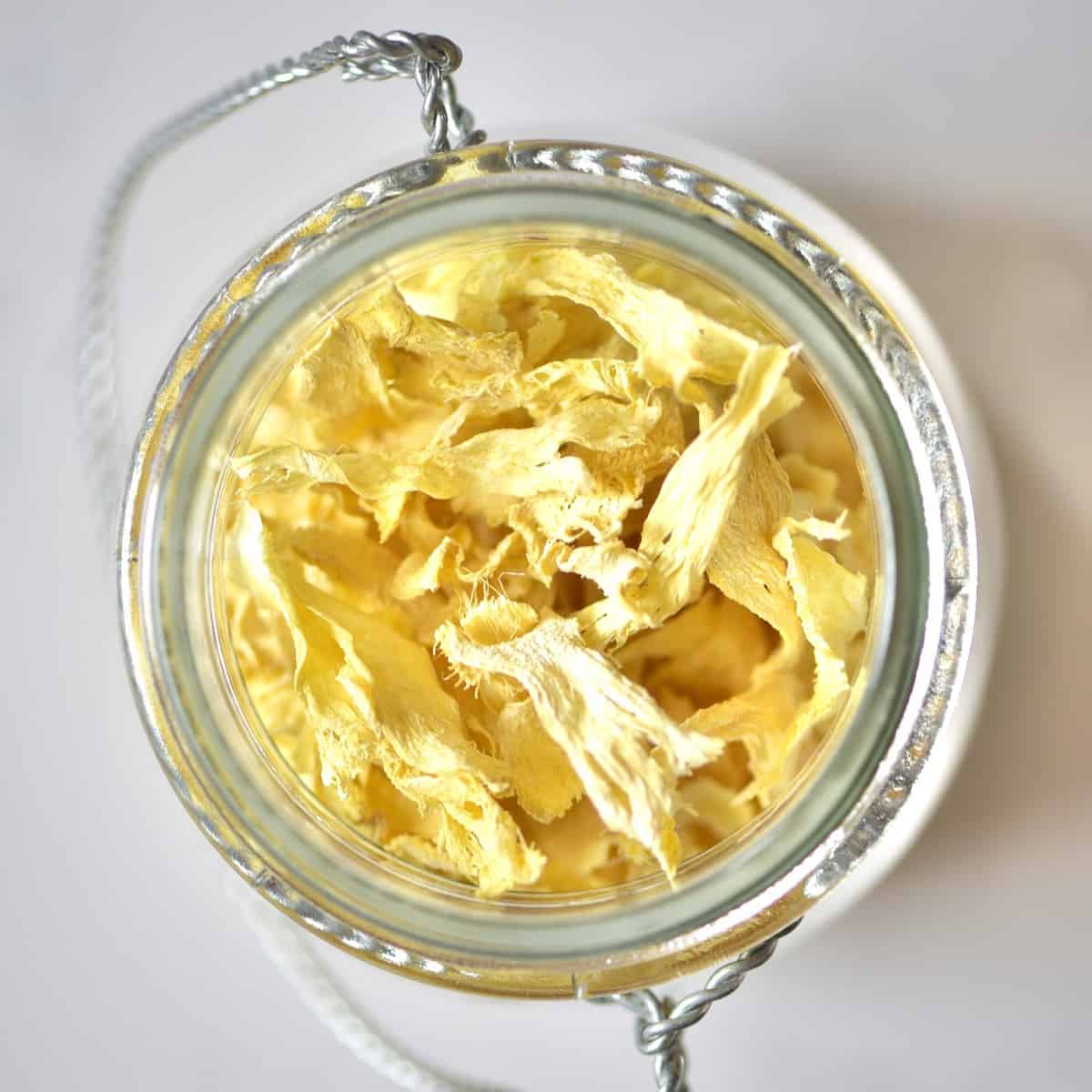
DIY Crispy Ginger Chips: Dehydrated Snack or Fried Garnish?
Ginger, with its distinctive pungent, spicy, and aromatic flavor, is a culinary powerhouse beloved across cultures. Whether you're a seasoned chef or a home cooking enthusiast, you've likely experienced the transformative power of fresh ginger in everything from stir-fries and curries to refreshing teas and baked goods. But what if you could take this versatile root and transform it into a crispy, irresistible delight? This guide will show you exactly how to make crispy ginger chips, exploring two distinct paths: the wholesome dehydrated snack and the intensely flavorful fried garnish. Each method offers a unique experience, turning humble ginger slices into a craveable addition to your kitchen arsenal.
Prepare to elevate your snacking game or add a professional touch to your meals, as we dive into the delicious world of crispy ginger.
Mastering Dehydrated Crispy Ginger Chips: The Healthy Snack & Flavor Boost
Imagine a snack that's naturally sweet, subtly spicy, incredibly crunchy, and packed with the goodness of ginger – all without a drop of hot oil. That's the magic of dehydrated crispy ginger chips. This method focuses on slowly drying out the ginger slices at low temperatures, preserving their nutritional benefits and creating a guilt-free indulgence.
These naturally sweetened crispy ginger chips are perfect for munching straight from the jar, adding a delightful crunch to yogurt or oatmeal, decorating baked goods, or even crushing slightly to sprinkle over savory dishes for an unexpected texture and flavor pop. The process is straightforward, requiring minimal fuss and yielding impressive results.
Essential Tools and Slicing Techniques
Before you begin, gathering the right tools is crucial for achieving uniformly thin slices, which are key to evenly dried, crispy chips.
- Fresh Ginger Root: Choose firm, smooth ginger roots without soft spots or mold. Quantity is entirely up to you – the more you make, the more you'll have to enjoy!
- Peeling Method: While a vegetable peeler works, the absolute easiest way to peel ginger, especially those knobbly bits, is with the edge of a spoon. Simply scrape the skin away; it comes off effortlessly.
- Slicing Tool:
- Mandoline: This is by far the preferred tool for achieving super-thin, uniform slices. Consistency in thickness ensures even drying, preventing some chips from being over-dried while others are still chewy.
- Vegetable Peeler: If you don't have a mandoline, a good vegetable peeler can create decent, thin strips.
- Sharp Knife: With excellent knife skills, you can achieve thin slices, but it requires more practice to maintain uniformity.
- Oven or Food Dehydrator: Your choice of appliance will dictate the drying time and process.
Oven vs. Dehydrator: Your Path to Perfection
Both an oven and a food dehydrator can produce beautifully crispy ginger chips. The main difference lies in control and efficiency.
Dehydrator Method (Recommended for Consistency):
A food dehydrator provides precise temperature control and consistent airflow, making it ideal for drying fruits and vegetables evenly. This method is often more "set it and forget it."
- Arrange Slices: Place the thinly sliced ginger in a single layer on your dehydrator trays, ensuring no pieces overlap. This allows for optimal air circulation.
- Dehydrate: Set your dehydrator to 40ºC (105ºF). Dehydrate for approximately 4-5 hours. The exact time can vary based on the ginger's water content and slice thickness.
- Check for Doneness: The ginger is ready when it's completely dry, crunchy, and snaps easily when bent.
Oven Method (Accessible & Effective):
Using your oven is a perfectly viable option, though it might require a bit more vigilance to prevent browning.
- Prepare Tray: Line a baking tray with parchment paper. Arrange the ginger slices in a single layer, ensuring they don't overlap.
- Bake at Low Temperature: Preheat your oven to its lowest setting, typically around 80ºC (176ºF). Place the baking tray on the lowest rack.
- Drying Time: Bake for about 2.5 hours. Check for dryness after 1.5 hours. Drying time will vary depending on your oven's calibration, the ginger's thickness, and its moisture content.
- Prevent Browning: If you notice the edges starting to brown, crack the oven door open slightly with a wooden spoon to allow some moisture to escape and reduce the internal temperature.
- Test for Crispness: The ginger chips are done when they are crunchy and snap cleanly in half.
For more detailed step-by-step instructions and recipes for a healthier approach, be sure to check out our guides on No-Fry Crispy Ginger Chips: Healthy Oven & Dehydrator Recipe and Naturally Sweetened Crispy Ginger Chips: Oven & Dehydrator Guide.
Sweet, Spicy, or Savory: Customizing Your Dehydrated Chips
One of the joys of making your own crispy ginger chips is the ability to customize their flavor. You can either season them once dried or pre-season them before dehydrating.
- Naturally Sweet & Spicy: For a delightful caramel-like flavor with a kick, toss the fresh ginger slices in a mixture of honey and a pinch of cayenne pepper before drying.
- Sweet & Mild: If you prefer sweetness without the heat, substitute cayenne with a dash of cinnamon.
- Plain & Versatile: Dry the ginger slices plain, then sprinkle with a little sea salt, sugar, or a blend of spices (like cardamom or even a hint of turmeric) after they are crispy. This allows for maximum flexibility depending on their intended use.
Once cooled, store your dehydrated crispy ginger chips in an airtight container at room temperature for several weeks.
Crafting Crispy Fried Ginger: The Ultimate Flavorful Garnish
While dehydrated ginger chips excel as a healthy snack, crispy fried ginger takes on a different, equally delicious role: a vibrant, aromatic garnish. This method introduces a richness and depth of flavor that only frying can achieve, transforming ginger into golden, melt-in-your-mouth slivers that add an incredible textural and aromatic flourish to a multitude of dishes.
Crispy fried ginger isn't meant for snacking on by the handful; instead, it's a potent flavor accent designed to elevate savory meals. Think of it as a culinary secret weapon, much like crispy fried garlic or shallots.
Slicing and Oil Selection
The preparation for fried ginger is slightly different, focusing on achieving a delicate crispness in hot oil.
- Ginger Preparation: Peel your fresh ginger root. For frying, you'll typically want to slice it very thinly, then cut these slices into fine slivers or matchsticks. Uniformity is still important for even frying.
- Oil Choice:
- Peanut Oil: This is an excellent choice due to its high smoke point and neutral flavor, allowing the ginger's essence to shine.
- Chinese Toasted Sesame Oil: A small dash of this added to the peanut oil imparts a wonderful nutty aroma and a distinct Asian flair, perfect for many dishes.
The Art of Golden Perfection
Frying ginger requires a watchful eye and a gentle touch. The goal is a beautiful golden crisp, not burnt bitterness.
- Heat the Oil: In a small, deep pan or wok, heat enough peanut oil (and a splash of sesame oil, if using) over medium-high heat. You'll know it's ready when a small piece of ginger sizzles immediately upon entering.
- Fry in Batches: Do not overcrowd the pan. Fry the ginger slivers in small batches to maintain the oil temperature and ensure even crisping.
- Watch Closely: Carefully place the ginger into the hot oil. It will fry very quickly, typically taking only about 2 minutes. Stir gently to ensure even cooking.
- Golden & Drain: As soon as the slivers turn a light golden color, remove them immediately with a slotted spoon. They will continue to darken slightly as they cool.
- Drain and Season: Transfer the crispy fried ginger to a plate lined with kitchen paper to drain excess oil. While still warm, sprinkle lightly with sea salt.
Crispy fried ginger can be prepared several hours in advance and stored in an airtight container at room temperature. Its crunch and flavor hold up wonderfully.
Elevating Dishes with Fried Ginger
The applications for crispy fried ginger are numerous and truly transformative:
- Soups & Noodles: Sprinkle over creamy squash soup, ramen, or pho for an aromatic crunch.
- Rice & Grains: A fantastic topping for fried rice, steamed rice, congee (Chinese congee or Indian kanjee), or even quinoa bowls.
- Curries & Stir-fries: Adds depth and texture to both wet and dry curries, and is a classic finisher for many stir-fried vegetable and meat dishes.
- Vegetables & Proteins: Elevate steamed eggplant, roasted broccoli, pan-seared tofu, or paneer with a generous sprinkle.
- Fusion Dishes: Experiment with adding it to salads, wraps, or even as a garnish for certain fusion appetizers.
Dehydrated vs. Fried Ginger Chips: Choosing Your Crispy Path
Now that you know how to make crispy ginger chips using both dehydration and frying methods, let's summarize their key differences to help you choose the best approach for your culinary needs.
| Feature | Dehydrated Crispy Ginger Chips | Crispy Fried Ginger |
|---|---|---|
| Health Aspect | Low-fat, retains nutrients, healthy snack. | Higher in fat due to frying, typically a garnish. |
| Texture | Snappy, dry, crunchy, almost brittle. | Crisp, slightly oily, melts in the mouth. |
| Flavor Profile | Natural ginger intensity, customizable (sweet, spicy, savory). | Intense, savory, aromatic, nutty from oil, slight caramelization. |
| Primary Use | Snacking, baking inclusion, yogurt/oatmeal topping, textural accent. | Flavorful garnish for savory dishes, aromatic finish. |
| Preparation Time | Longer passive drying time (hours). | Quicker active cooking time (minutes). |
Ultimately, neither method is "better" than the other; they simply serve different purposes. The dehydrated chips offer a wholesome, versatile snack and ingredient, while the fried ginger provides an explosion of flavor and texture that instantly elevates savory meals.
Conclusion
From a wholesome, naturally sweetened snack to an intensely flavorful garnish, crispy ginger chips demonstrate the incredible versatility of this beloved root. Knowing how to make crispy ginger chips, whether by slow dehydration or quick frying, opens up a world of culinary possibilities, allowing you to incorporate ginger's vibrant taste and health benefits into your diet in exciting new ways. So, grab some fresh ginger, choose your preferred method, and get ready to transform this humble root into a crispy, irresistible delight that will undoubtedly become a new favorite in your kitchen.
